Three main types
| Type | Good for | Trade-offs |
|---|---|---|
| Walking or running shoes | Sidewalks, paved paths, smooth park trails | Light and comfortable. Little grip on mud or loose rock. |
| Trail shoes | Most day hikes on maintained trails | Grippy soles and a sturdier upper, still light. Less ankle support and protection than a boot. |
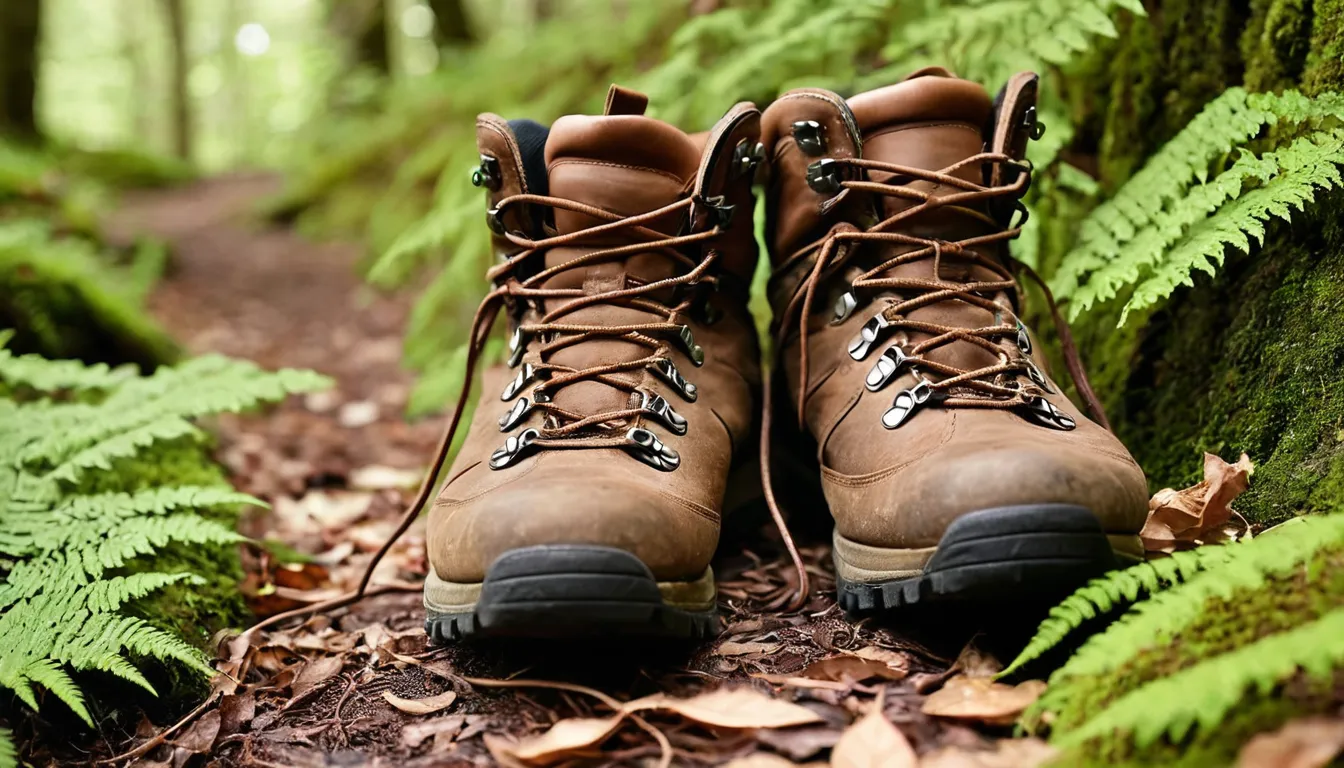
| Hiking boots | Rough, rocky or steep ground, heavier packs, wet or cold conditions | More support and protection. Heavier, warmer and longer to break in. |
Many people hike happily in trail shoes, and others feel safer in boots. If you have weak ankles or plan to cross loose rock, a mid or high boot may feel more secure. Try both if you can.
How a good fit feels
- Length: about a thumb's width of space between your longest toe and the front of the shoe when standing. Toes that touch the front will hurt on descents.
- Width: the widest part of your foot sits in the widest part of the shoe without pressure on the sides.
- Heel: your heel stays put when you walk. A little lift is normal in new boots, but it shouldn't slide up and down.
- Toes: room to wiggle them freely.
Tips for trying them on
- Shop later in the day, when feet tend to be at their largest after hours of standing and walking.
- Bring the socks you plan to hike in, and any insoles or orthotics you use.
- Try both shoes on. Most people have one foot slightly bigger than the other, so fit the bigger one.
- Walk around, and use an incline or stairs if the store has them, to check for toes hitting the front on the way down.
- Ask about the return policy, so you can wear them indoors for a few days and still exchange them.
Lacing helps fit
Lacing changes how a shoe holds your foot. If your heel slips, use the extra top eyelet many shoes have to make a heel-lock or "runner's loop". If the top of your foot feels pinched, skip a pair of eyelets over the sore spot. Tighten laces a little more before a long descent so your foot doesn't slide forward.
Break new footwear in
Never take brand new shoes or boots on a long hike. Wear them around the house, then on short walks, then on a short trail. Light trail shoes may feel ready within a few outings. Stiffer leather boots can take longer. Hot spots during these walks tell you where you might need to change lacing, socks or the shoes themselves. The socks and blisters guide covers what to do about them.
When to replace them
Look for worn, smooth tread that no longer grips, midsoles that feel flat or show deep creases, uppers that have split, or new aches in your feet, knees or hips that you didn't have before. How long footwear lasts depends on your weight, your stride and the ground, so judge by condition rather than a fixed number of miles.
If you have foot pain, bunions, plantar fasciitis, diabetes or circulation problems, a podiatrist can advise on footwear and insoles that suit your feet.
Do I need waterproof shoes?
Waterproof linings keep out puddles and dew, but they also hold in sweat and dry slowly once water gets in over the top. Many hikers prefer breathable shoes in warm weather and waterproof ones in cold, wet seasons.